Caribbean Overseas Territories: A Mosaic of Cultures, Currencies, and Colonial Heritage
The Caribbean: A Complex Tapestry of Sovereignty
The Caribbean Sea is home to some of the world's most intriguing political arrangements—overseas territories that maintain strong ties to their European metropoles while developing distinct Caribbean identities. These territories offer a unique window into how colonial history continues to shape modern governance, culture, and economics in the 21st century.
🇬🇧 British Overseas Territories in the Caribbean
Britain maintains several Caribbean territories, each with its own distinct character:
Bermuda
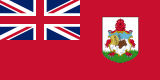
While technically in the North Atlantic rather than the Caribbean, Bermuda is often grouped with Caribbean territories due to its similar colonial history and cultural connections. This self-governing territory is famous for its pink sand beaches and as a major offshore financial center.
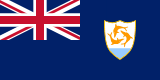
Anguilla
This small island territory (population ~15,000) is known for its pristine beaches and coral reefs. Anguilla uses the Eastern Caribbean dollar and maintains strong cultural ties to the broader Caribbean while benefiting from British citizenship rights.
British Virgin Islands
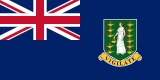
Comprising over 50 islands and cays, the BVI is another major offshore financial center. The territory's economy relies heavily on tourism and financial services, with the US dollar as its official currency.
Montserrat
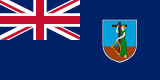
Known as the "Emerald Isle of the Caribbean" due to its Irish heritage, Montserrat faced devastation from volcanic eruptions in the 1990s. The southern part of the island remains an exclusion zone, while the north continues to rebuild and develop.
Cayman Islands
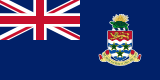
One of the world's premier offshore financial centers, the Cayman Islands have built their economy around banking, insurance, and tourism. The territory maintains a high standard of living while preserving its natural beauty.
Turks and Caicos Islands
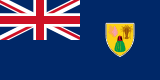
These islands are renowned for their spectacular beaches and coral reefs. The territory has been working to develop its tourism industry while maintaining its natural environment.
🇫🇷 French Overseas Territories
Guadeloupe
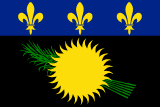
An archipelago consisting of several islands, Guadeloupe is an integral part of France, meaning its residents are full French citizens. The territory uses the Euro and benefits from EU membership, creating a unique blend of Caribbean culture and European integration.
Martinique
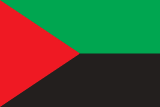
Like Guadeloupe, Martinique is a French overseas department, giving its residents full French citizenship and EU rights. The island is famous for its rum production and Creole culture, maintaining strong African and French cultural influences.
Saint Barthélemy (St. Barts)
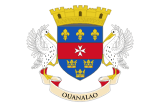
This small island is known for its luxury tourism and high-end shopping. It's a popular destination for celebrities and the wealthy, maintaining a unique blend of French sophistication and Caribbean charm.
Saint Martin
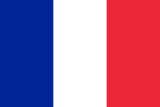
This island is uniquely divided between France and the Netherlands, with the French side (Saint-Martin) being an overseas collectivity. The island demonstrates how different colonial powers can coexist on the same landmass.
🇳🇱 Dutch Caribbean Territories
Aruba
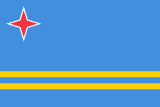
Aruba is a constituent country of the Kingdom of the Netherlands, giving it significant autonomy while maintaining Dutch citizenship. The island has developed a strong tourism industry and uses the Aruban florin.
Curaçao
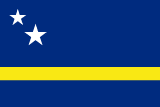
Another constituent country of the Netherlands, Curaçao is known for its colorful architecture in Willemstad, a UNESCO World Heritage site. The island has a diverse population reflecting its history as a major slave trading center.
Sint Maarten
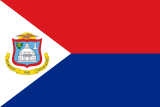
The Dutch side of the island shared with France, Sint Maarten is also a constituent country of the Netherlands. The island is famous for its beaches and duty-free shopping.
Bonaire, Sint Eustatius, and Saba (BES Islands)

Bonaire
Sint Eustatius
Saba
These three islands are special municipalities of the Netherlands, meaning they're more closely integrated with the Dutch state than the constituent countries. They use the US dollar and have a more direct relationship with the Dutch government.
🇺🇸 US Territories
Puerto Rico
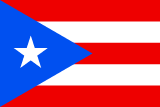
While not technically an overseas territory (it's an unincorporated territory), Puerto Rico is often grouped with Caribbean territories. The island has a complex relationship with the United States, with residents being US citizens but lacking full voting representation in Congress.
US Virgin Islands
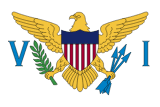
Comprising St. Thomas, St. John, and St. Croix, the US Virgin Islands are unincorporated territories of the United States. Residents are US citizens and use the US dollar, but the islands maintain their own distinct Caribbean culture.
Shared Currencies and Economic Integration
The Caribbean overseas territories use a fascinating mix of currencies that reflect their colonial heritage and economic relationships:
- Euro: French territories (Guadeloupe, Martinique, St. Barts, St. Martin) benefit from EU membership and use the Euro
- US Dollar: US territories and some British/Dutch territories use the US dollar due to tourism and trade relationships
- Eastern Caribbean Dollar: Some British territories use this regional currency pegged to the US dollar
- Local Currencies: Aruba and Curaçao have their own florins, while other territories maintain their own monetary systems
Linguistic Diversity
The Caribbean overseas territories showcase remarkable linguistic diversity:
- English: British and US territories primarily use English, often with local Creole variations
- French: French territories maintain French as the official language, with Creole widely spoken
- Dutch: Dutch territories use Dutch officially, with Papiamento (a Creole language) commonly spoken
- Spanish: Puerto Rico uses Spanish as the primary language, reflecting its Latin American heritage
Cultural Heritage and Identity
These territories have developed unique cultural identities that blend European colonial influences with African, Indigenous, and other Caribbean traditions:
- Music: Each territory has developed distinct musical traditions, from calypso and reggae to zouk and salsa
- Cuisine: Local cuisines reflect the blend of European, African, and Indigenous influences
- Architecture: Colonial architecture mixes with modern Caribbean styles
- Festivals: Each territory celebrates unique festivals that reflect their cultural heritage
Modern Challenges and Opportunities
Caribbean overseas territories face unique challenges in the 21st century:
- Climate Change: Rising sea levels and increased hurricane intensity threaten these low-lying islands
- Economic Development: Balancing tourism, financial services, and sustainable development
- Political Status: Ongoing debates about independence, integration, or maintaining current arrangements
- Environmental Protection: Preserving coral reefs and marine ecosystems while supporting economic growth
Test Your Knowledge with CapQuiz
These fascinating Caribbean overseas territories are just a small sample of the world's complex political geography. Whether you're interested in their unique flags, capital cities, or cultural characteristics, CapQuiz includes an "Include Overseas Territories" option in both our Flag Quiz and Capital Quiz sections.
Challenge yourself to identify the flags of territories like Montserrat, Curaçao, or Saint Barthélemy, or test your knowledge of their capital cities. You might be surprised by how much you can learn about these unique places that exist at the intersection of European and Caribbean cultures.
Ready to explore the world's overseas territories? Try our Flag Quiz or Capital Quiz with overseas territories enabled, and discover the fascinating diversity of our world's political geography!